
Induction cooking is the best we currently have in cooktop technology. When people see them in action, they say: “Fine. It’s great for the wealthy, but should the poorest get state-of-the-art technology?” I argue that these are precisely the ones that should be getting this technology first.
By Simon Doble
Robert Baden-Powell statute in Poole, UK - Lex McKee, CC-BY-NC
If you’ve had the pleasure of remodelling your kitchen lately you might have heard some version of the mantra a great cooker should be the centrepiece of a great kitchen. Setting aside all the other go-tos of everyone’s ‘favourite’ guy at the party: the appliance salesman, there’s an important dilemma here. Which type? Gas, electric or induction?
Each has it’s benefits and drawbacks. Gas is quick to adjust and fun to cook with, conventional electric improves efficiency, but aside from the thing we actually want to heat – the food – it also heats the surface. In reality, that means it’s slow to turn on and radiates heat even when off.
Induction cooktops solve for these issues. Set that cooker to high and it can bring water to boil before you manage to unwrap a tea bag and get your favourite mug from the cupboard. And when turned off, it’s off without lingering. But it wouldn’t be an option if it didn’t come with its downsides, for that added safety and convenience comes with a price tag, often double what you’d pay for similar gas or conventional electric model. Not to mention all that new cookware you need to get.
So, when I say that we’re giving people living in poverty induction cookers it makes some pause and wonder. ‘Wait, I’m still in my old kitchen and you’re giving the poorest state-of-the-art technology?’
These reservations are understandable. But in the realities of energy poverty, induction solves for more than just convenience.
I’ve been to these houses, you can see the soot everywhere (…) When the fire is on, it takes minutes before your eyes start to water, nose running, until you have to run out for a bit of fresh air
Fuel cost – what’s pennies for some…
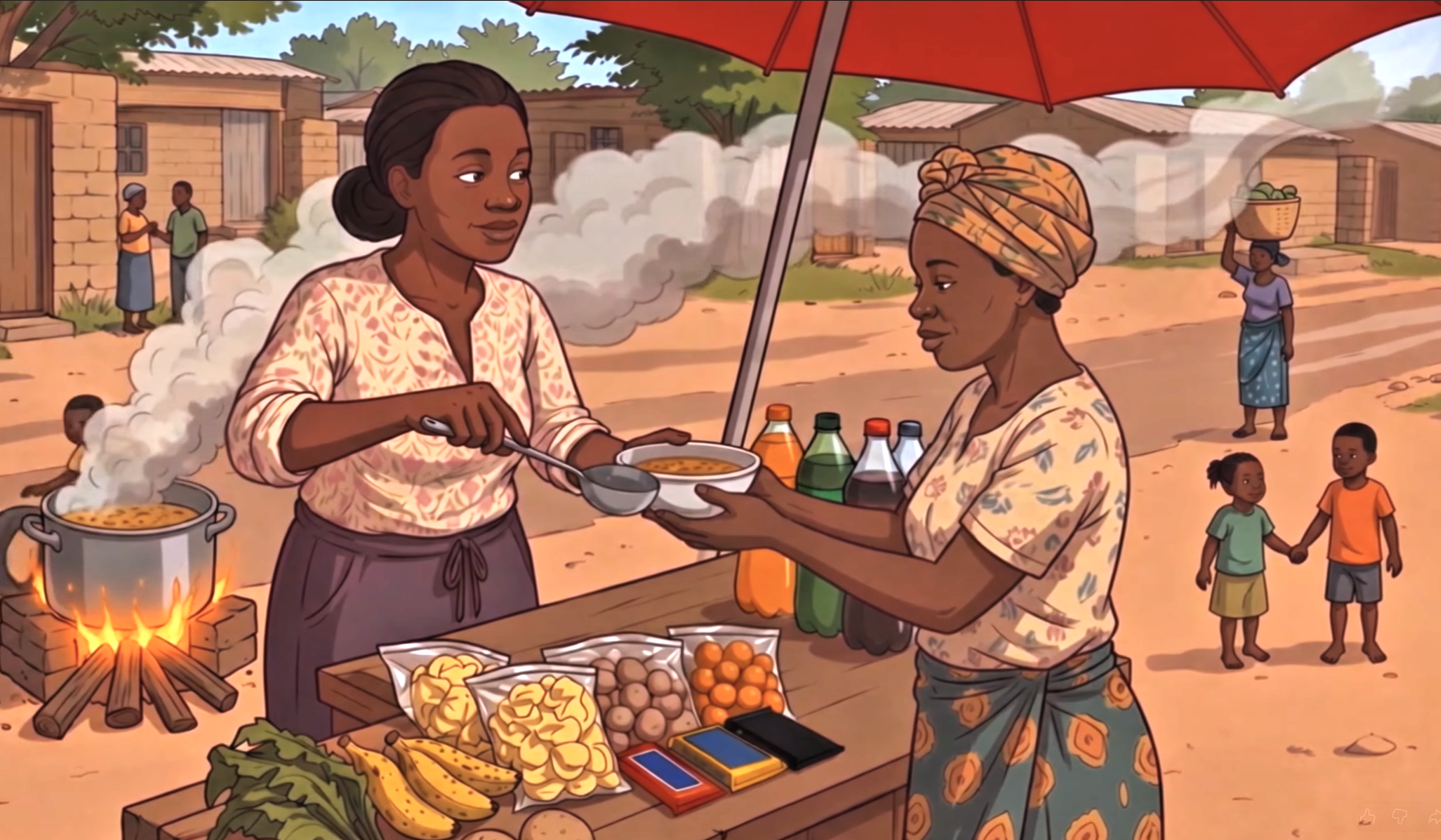
For families living in extreme energy poverty, the cooking calculus becomes much more about fuel costs than anything else. As of 2026, the World Bank’s poverty line sits at $3 a day per person, yet in countries like Kenya, where almost half the population lives at of bellow this threshold, fuel costs eat up dramatically into this very limited budget. Families and individuals would spend up to a dollar a day, even more in some cases, on charcoal to cook.
Cooktop efficiency can make of break the family budget.
A study found a 66 percent reduction in monthly charcoal spending when families bought an induction cooker. Getting a solar-powered unit would free up 100 percent of that budget to go towards other expenses like education, home improvement or starting a small business.
Safety – what we take for granted
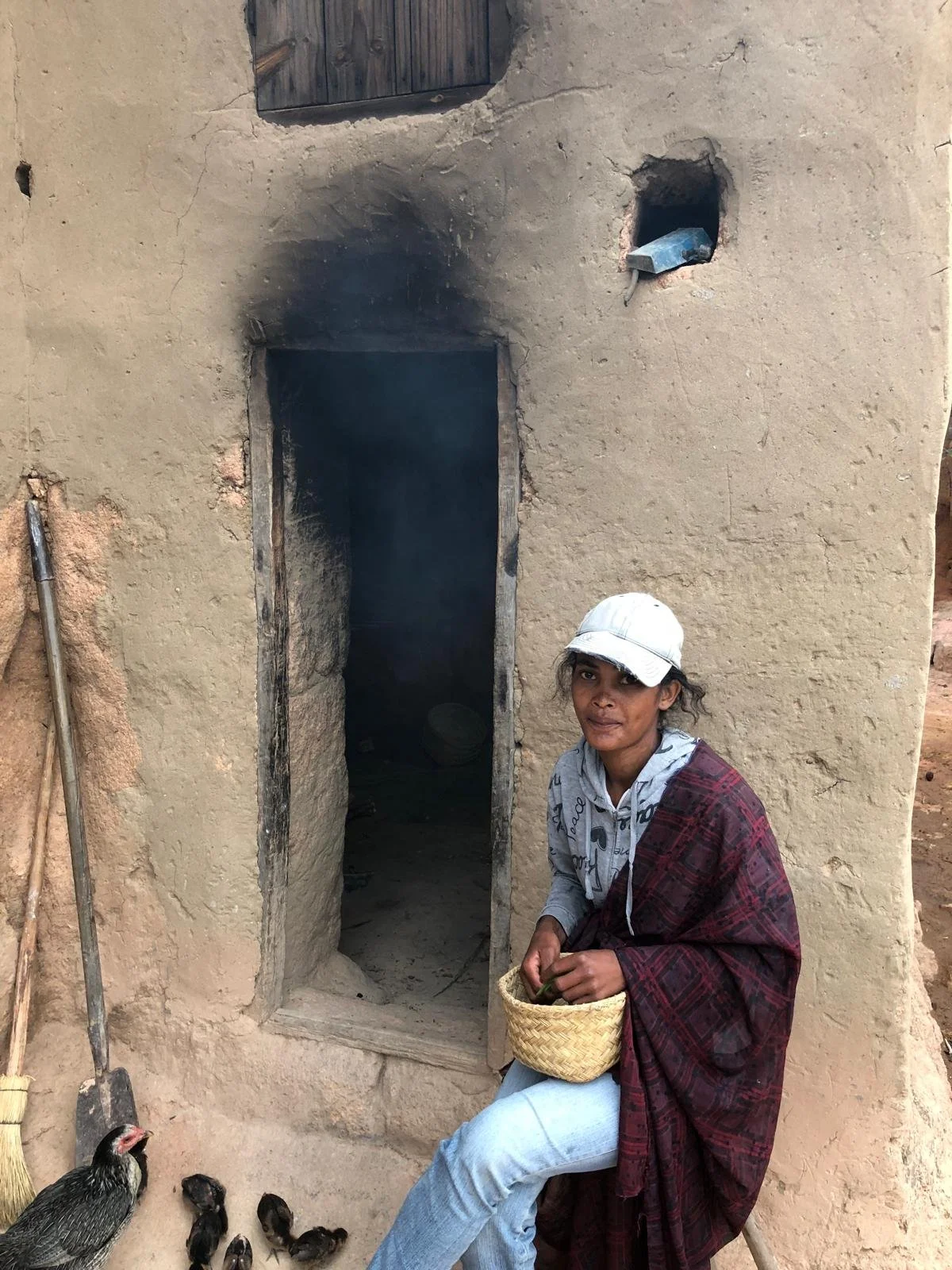
Operating a traditional stove that burns charcoal, wood, crop residue or animal dung indoors releases harmful pollutants including carbon dioxide, methane and black carbon. I’ve been to these houses, you can see the soot everywhere, on the walls and the ceiling, on everything that’s in the room. From the outside, each window and doorway have these characteristic black markings showing where smoke escapes the room.
When the fire is on, it takes minutes before your eyes start to water, nose running, until you have to run out for a bit of fresh air. Findings of the International Energy Agency (IEA) underscore this trend, saying that household air pollution, mostly from cooking smoke, is directly linked to around 3.7 million premature deaths a year.
Then there’s the question of burns and house fires. According to a study in Injury Prevention, a person living in a low-income country is 7.6 times more likely to die from fire, heat and hot substances than one in a high-income country.
Having open fire anywhere in the house when you live in makeshift structures with no infrastructure and far from the reach of first responders is a massive liability. Young girls placed in cooking and child-care roles, in loose fitting clothing, cooking on ground-level, open-fire stoves with kerosene, that’s the worst-case scenario.
But even when open fire is not involved – as with conventional hot plates and electric cookers – the risk of non-fatal burns needs to be taken seriously.
Pollution and environmental cost – where it all comes together
In 2023, more than 2 billion people worldwide did not have access to clean cooking. In Africa alone, the majority of the 600 million people that lack access rely on firewood and charcoal for cooking. This is not ‘just’ a public health issue but a major driver of deforestation, biodiversity loss and greenhouse gas emissions, all of which contribute to the global climate crisis.
The IEA estimates that traditional cooking methods emit about 1.2 billion metric tons of CO2-equivalent a year. That’s like international aviation and shipping combined. And this analogy is particularly important today, as both of these industries currently don’t have emission-free alternatives for some of the essential services they provide. The technology for crossing large oceans without producing some GHG emissions is just not yet available.
Before alternatives are ready to be deployed at scale, schemes like CORSIA from the International Civil Aviation Organization or the EU’s Emissions Trading System allow airlines and shipping companies to offset their emissions.
A cap is set and progressively lowered to motivate the development of clean alternatives and if a company emits more, they have to purchase and retire carbon credits that represent GHG emissions avoided (or captured from the atmosphere) elsewhere.
Giving people that rely on traditional cooking methods induction cookers is one way of doing that.
In practice, this means that we can improve the health and safety of all these people that rely on traditional cooking fuels, free up some of their tight budgets, and generate tradable carbon credits that can pay for the ‘luxury’ of modern cooktop technology. In fact, given future price projections, these cookers might be able to generate additional income.
--
Graduating from gas or electric to induction with your next remodel is no doubt a great idea. After getting used to the novelty, you might notice a few dollars saved on utilities here, a few extra minutes spent with your family there. But graduating from burning charcoal in a poorly ventilated room to solar-powered induction cooker is life changing.
For many years, this was just a vision I had. I knew it could be done but many moving pieces had to align to make that happen. In 2026, I can finally see how that vision can become reality.
With FamilyBuddy, we’re finally ready to make clean cooking a universal right.
Learn more and support the development of FamilyBuddy at: www.solarbuddy.org/solutions/familybuddy/
"Do the best you can until you know better. Then when you know better, do better.”
– Maya Angelou